
Inside Deep Purple’s Fireball: The Album Ian Gillan Loved and Ritchie Blackmore Hated
Sandwiched between twin heavy metal blueprints In Rock and Machine Head, Deep Purple’s 1971 LP Fireball is frequently treated as the awkward middle child of the Mark II catalogue. Written and recorded amid relentless touring, mounting commercial expectations, and personal friction, the record pushed the band’s boundaries far beyond straightforward hard rock.
Encompassing foundational heavy metal alongside elements of progressive, jazz, psychedelic, and country rock, Fireball became the band’s first album to top the UK chart and a million-seller. Yet it remains a project with differing internal views, famously loved by singer Ian Gillan and disliked by guitarist Ritchie Blackmore.
The Pressure-Cooker Creation of Fireball
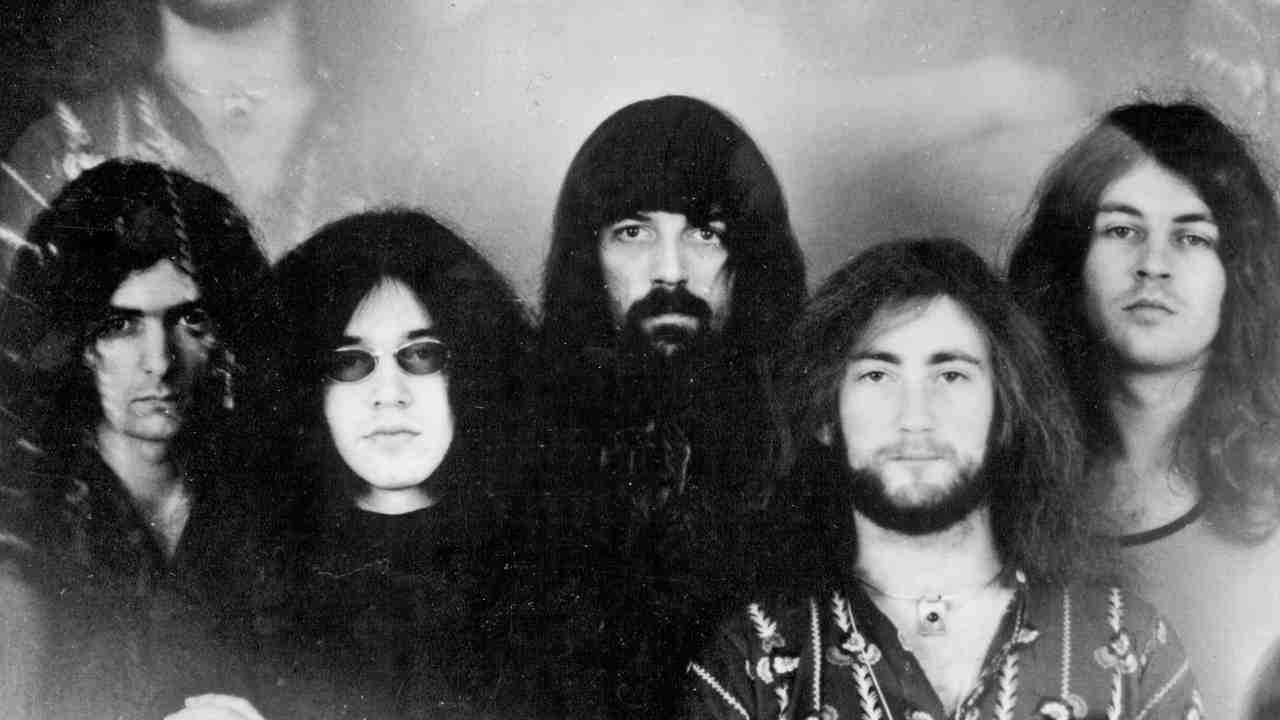
Work on Fireball began in September 1970, barely three months after the release of In Rock. Martin Birch returned to the recording desk, while production remained firmly in the band’s own hands. With no stockpile of finished songs waiting in the wings, the material emerged gradually from collective writing sessions.
The album took shape over nine months at De Lane Lea and Olympic studios in London, squeezed between an increasingly punishing schedule of British, European, and American tour dates. Reflecting on the relentless pace in early 1973, Jon Lord noted that In Rock succeeded so magnificently that it kept them working continuously without a chance to take stock.
Lord also recognized the stylistic shift before the record even dropped. In an August 1971 interview with the NME, he explained that the new album was more mellow than its predecessor because the band had recorded In Rock while feeling a bit angry at the world because nobody had taken any notice of them.
Pushing Hard Rock Into Uncharted Territory
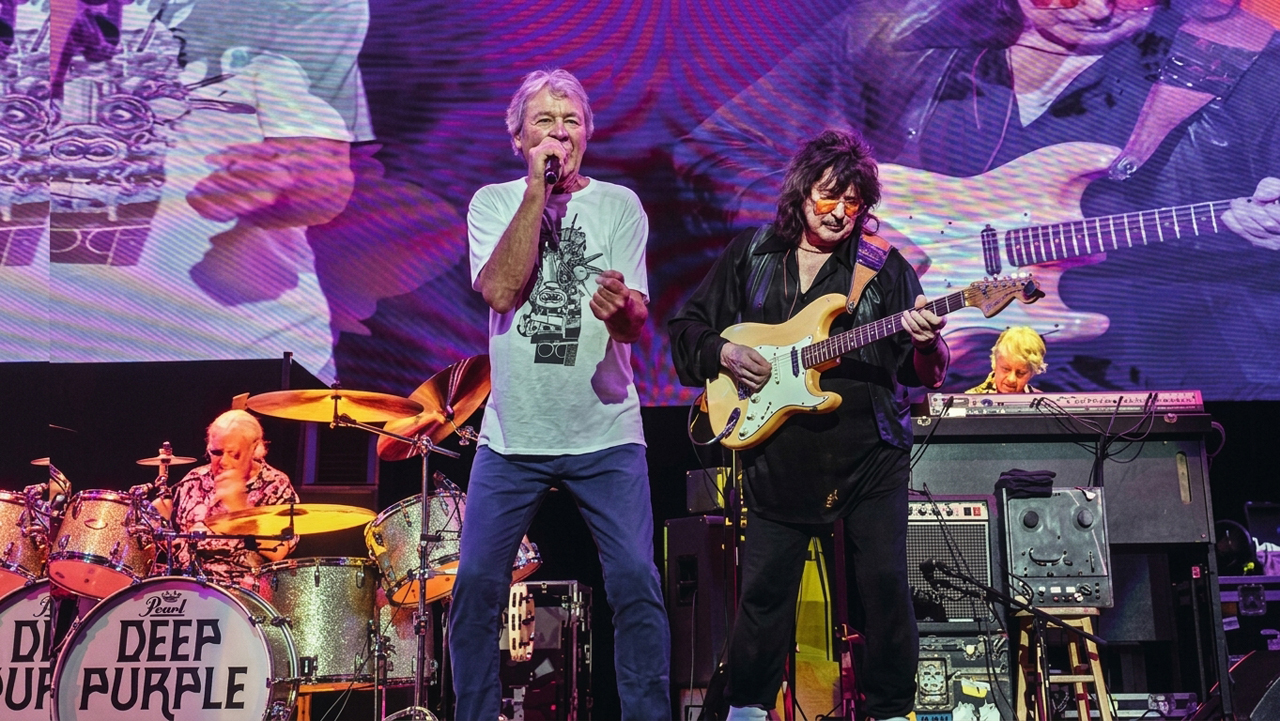
Rather than repeating the winning formula of In Rock, Fireball leaned into the group’s collective strengths. The opening title track took the controlled chaos of ‘Speed King’ a step further. Propelled by Ian Paice’s revolutionary double-bass drum pattern and Roger Glover’s striding bass line, the track highlighted a band more interested in collective power than traditional guitar heroism—bolstered by Glover’s fuzzed-up bass break in place of a standard guitar solo.
Released as a single in October 1971, the title track reached No.15 in the UK chart and planted seeds that later generations would recognize as speed metal. Among those converted was a nine-year-old Lars Ulrich, who bought the album the morning after seeing Deep Purple play in Copenhagen in 1973.
Other tracks expanded the canvas further. ‘The Mule’ unfolded like a musical odyssey featuring eerie electronic effects, progressive studio experimentation, and a showcase for Paice’s celebrated live drum solo. Meanwhile, the eight-minute track ‘Fools’ leaned into atmospheric, doom-laden territory, pairing Blackmore’s violin-like guitar tones and Lord’s Hammond organ waves with Gillan’s dark, nihilistic lyricism.
Latest Posts
 Neil Young Hits Trump With $10M Lawsuit Over Rally Song
 Jack Osbourne Takes the Blame for the Backlash to the ‘Digital Ozzy’ Project
 Phoebe Bridgers Announced as First 2027 All Points East Headliner
 The Doobie Brothers Announce 2027 Las Vegas Residency
 Sharon Osbourne Explains Why Ozzy Was Buried at the Family Estate
 Tony Iommi Reveals He Was Asked To Write Theme For New Shaun the Sheep Movie