
BAND PROFILE 1964–1973
The Byrds
United States
Rockfolk rockpsychedelic rockraga rockcountry rockjangle pop
Not rated0 Fans
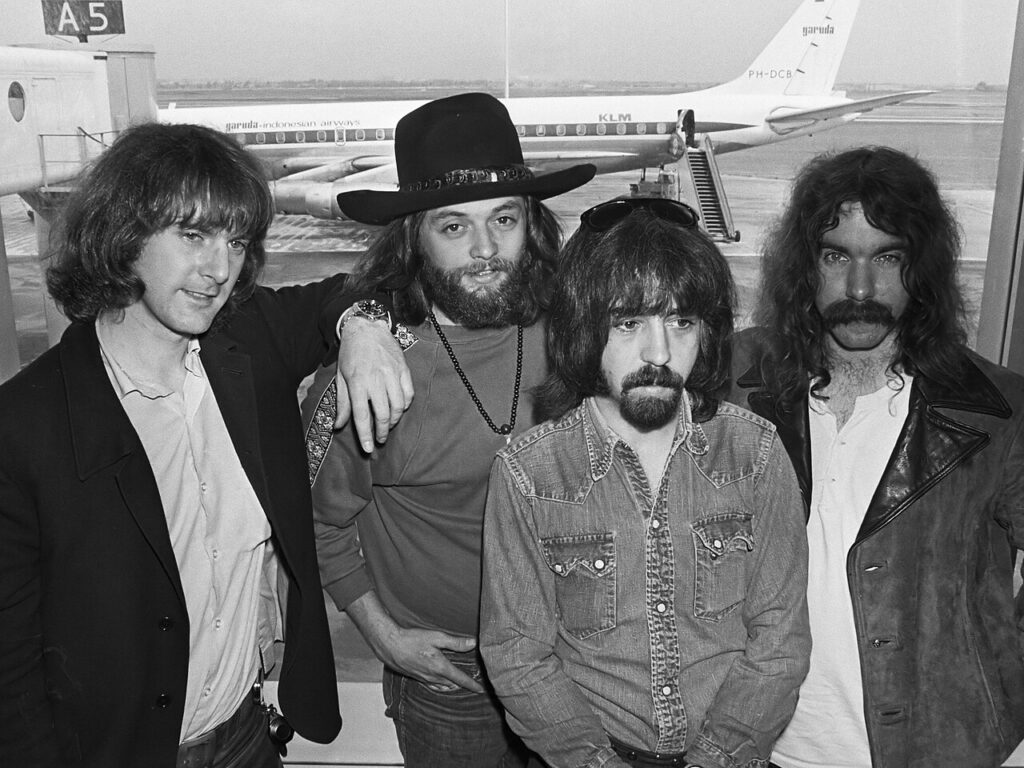
The Byrds (/bɜːrdz/ BURDZ) were an American rock band formed in Los Angeles, California, in 1964. The band underwent multiple lineup changes, with frontman Roger McGuinn as the sole consistent member. For a short time in the mid-1960s, the Byrds were among the most popular groups in the world, with critics considering them to be among the most influential rock acts of their era. The band's signature sound of "angelic harmonies" and McGuinn's jangly 12-string Rickenbacker guitar sound was "absorbed into the vocabulary of rock" and has continued to be influential.Initially, the Byrds pioneered the musical genre of folk rock as a popular format in 1965 by melding the influence of the Beatles and other British Invasion bands with contemporary and traditional folk music on their first and second albums and the hit singles "Turn! Turn! Turn!" and "Mr. Tambourine Man". As the 1960s progressed, the band was influential in originating psychedelic rock and raga rock, with their song "Eight Miles High" (1966) and the albums Fifth Dimension (1966), Younger Than Yesterday (1967), and The Notorious Byrd Brothers (1968). The band also helped pioneer country rock, particularly with the 1968 album Sweetheart of the Rodeo.The band's original five-piece lineup consisted of McGuinn (lead guitar, vocals), Gene Clark (tambourine, vocals), David Crosby (rhythm guitar, vocals), Michael Clarke (drums), and Chris Hillman (bass guitar, vocals). In early 1966, Clark left due to anxiety and his increasing isolation within the group. The Byrds continued as a quartet until late 1967, when Crosby and Clarke departed. McGuinn and Hillman recruited new members, including country rock pioneer Gram Parsons, but by late 1968, Hillman and Parsons had also left the band. McGuinn rebuilt a new version of the Byrds that featured guitarist Clarence White among others. McGuinn disbanded that iteration of the band in early 1973 to make way for a reunion of the original quintet. The Byrds released their final album in March 1973, with the reunited group disbanding later that year.Several members of the Byrds went on to successful careers as solo artists or as members of such groups as Crosby, Stills, Nash & Young, the Flying Burrito Brothers, McGuinn, Clark & Hillman, and the Desert Rose Band. In 1991, the Byrds were inducted into the Rock and Roll Hall of Fame in a ceremony that saw the five original members perform together for the last time. Gene Clark died of a heart attack later that year, while Michael Clarke died of liver failure in 1993. Crosby died in 2023. McGuinn and Hillman remain musically active.The nucleus of the Byrds formed in early 1964, when Jim McGuinn, Gene Clark, and David Crosby came together as a trio. All three musicians had a background rooted in folk music, with each one having worked as a folk singer on the acoustic coffeehouse circuit during the early 1960s. In addition, they had all served time—independently of each other—as sidemen in various "collegiate folk" groups: McGuinn with the Limeliters and the Chad Mitchell Trio, Clark with the New Christy Minstrels, and Crosby with Les Baxter's Balladeers. McGuinn had also spent time as a professional songwriter at the Brill Building in New York City, under the tutelage of Bobby Darin. By early 1964, McGuinn had become enamored with the music of the Beatles, and had begun to intersperse his solo folk repertoire with acoustic versions of Beatles' songs. While performing at the Troubadour folk club in Los Angeles, McGuinn was approached by fellow Beatles fan Gene Clark, and the pair soon formed a Peter and Gordon-style duo, playing Beatles' covers, Beatlesque renditions of traditional folk songs, and some self-penned material. Soon after, David Crosby introduced himself to the duo at The Troubadour and began harmonizing with them on some of their songs. Impressed by the blend of their voices, the three musicians formed a trio and named themselves the Jet Set, a moniker inspired by McGuinn's love of aeronautics.
Biography summary from English Wikipedia, photograph via Wikimedia Commons.
1964FormationCAREER
1965Folk rockCAREER
1965–1967PsychedeliaCAREER
1966Releases Fifth Dimension.CAREER
1967–1968Lineup changesCAREER
1968–1973Country rockCAREER
1969Releases Ballad of Easy Rider.CAREER
1971Releases Byrdmaniax.CAREER
1973Releases Byrds.CAREER
1977–1981McGuinn, Clark and HillmanCAREER
1988Releases The Live Byrds – Live At Piper Club – Roma, May 2, 1968.CAREER
1995Releases Doin’ Alright for Old People.CAREER
—
Roger McGuinn
CURRENT MEMBER
—
Gene Clark
CURRENT MEMBER
—
David Crosby
CURRENT MEMBER
—
Chris Hillman
CURRENT MEMBER
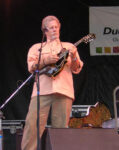
—
Gram Parsons
CURRENT MEMBER
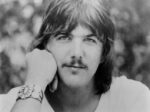
—
Michael Clarke
CURRENT MEMBER
—
Gene Parsons
CURRENT MEMBER
—
Clarence White
CURRENT MEMBER
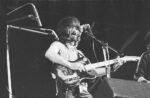
—
John York
CURRENT MEMBER
—
Skip Battin
CURRENT MEMBER
1965
Mr. Tambourine Man
ALBUM

1965
Turn! Turn! Turn!
ALBUM
1966
Fifth Dimension
ALBUM
1967
Greatest Hits
COMPILATION
1967
Younger Than Yesterday
ALBUM
1968
Candy (The Original Motion Picture Soundtrack)
SOUNDTRACK
1968
Sweetheart of the Rodeo
ALBUM
1968
The Notorious Byrd Brothers
ALBUM
1969
Ballad of Easy Rider
ALBUM
1969
Dr. Byrds & Mr. Hyde
ALBUM
1969
“Dr. Byrds and Mr. Hyde” Alternate Mixes
LIVE
1969
Preflyte
COMPILATION
1970
1970.01.02 (late show) Fillmore West, S.F. (1st gen sbd)
LIVE
1970
(Untitled)
ALBUM
1971
Byrdmaniax
ALBUM
1971
Rhode Island University: December 4, 1971
LIVE
1971
Farther Along
ALBUM
1972
The Best of The Byrds: Greatest Hits, Volume 2
COMPILATION
1973
History of The Byrds
COMPILATION
1973
Byrds
ALBUM
1976
Greatest Hits
COMPILATION
1976
Mr. Tambourine Man / Turn! Turn! Turn!
COMPILATION
1979
The Byrds Play Dylan
COMPILATION
1980
The Original Singles 1965–1967, Volume 1
COMPILATION
1982
The Original Singles 1967–1969, Volume 2
COMPILATION
1983
The History of Rock, Volume Thirteen
COMPILATION
1986
Never to Be Forgotten
LIVE
1987
Never Before
COMPILATION
1987
The Collection
COMPILATION
1988
The Best Of
COMPILATION
1988
…In the Beginning
COMPILATION
1988
The Live Byrds – Live At Piper Club – Roma, May 2, 1968
ALBUM
1988
The Very Best of the Byrds
COMPILATION
1989
Solid Gold
EP
1989
Sweetheart of the Rodeo + Mr. Tambourine Man
COMPILATION
1990
Back Pages
COMPILATION
1990
Tambourines & Twelvestrings: The Best Of Live in Concert
COMPILATION
1990
The Byrds
COMPILATION
1990
Live in Amsterdam
LIVE
1990
Draft Morning: Byrds Best
COMPILATION
1990
Four Dimensions E.P.
EP
1990
Live USA
LIVE
1991
Greatest Hits Re‐Mastered
COMPILATION
1991
Mr. Tambourine Man
COMPILATION
1991
Free Flyte
COMPILATION
1991
Greatest Hits - 18 Classics Re-Mastered
COMPILATION
1992
20 Essential Tracks From the Boxed Set: 1965–1990
COMPILATION
1993
Mr. Spaceman
LIVE
1994
Boston Tea Party
LIVE
1994
Never Ever Before
COMPILATION
1994
Journals
COMPILATION
1995
The Best of The Byrds
COMPILATION
1995
Definitive Collection
COMPILATION
1996
The Best of the Byrds
COMPILATION
1996
The Byrds
COMPILATION
1997
The Very Best of the Byrds
COMPILATION
1997
The Magic Collection
COMPILATION
1998
Full Flyte 1965–1970
COMPILATION
1998
Super Hits
COMPILATION
1999
Mr. Tambourine Man
COMPILATION
2000
Live at the Fillmore: February 1969
LIVE
2000
Sanctuary II
COMPILATION
2000
21 Grandes Sucessos
COMPILATION
2000
The Byrds
COMPILATION
2000
Sanctuary
COMPILATION
2001
The Preflyte Sessions
COMPILATION
2001
Play the Songs of Bob Dylan
COMPILATION
2001
Most Famous Hits: The Album
COMPILATION
2002
The Byrds Play Dylan
COMPILATION
2002
The Columbia Singles ’65–’67
COMPILATION
2002
Sanctuary IV
COMPILATION
2003
The Essential Byrds
COMPILATION
2003
Mojo Presents… An Introduction to the Byrds
COMPILATION
2004
Mr. Tambourine Man: The Best of the Byrds
COMPILATION
2004
Gene Clark in The Byrds: Set You Free 1964–73
COMPILATION
2005
Another Dimension
COMPILATION
2006
There Is a Season
COMPILATION
2008
Live at Royal Albert Hall 1971
LIVE
2009
Eight Miles High: The Best of The Byrds
COMPILATION
2011
The Complete Columbia Albums Collection
COMPILATION
2011
Setlist: The Very Best of The Byrds – Live
COMPILATION
2011
Setlist: The Very Best of The Byrds Live
COMPILATION
2011
Candy
SOUNDTRACK
2012
Original Singles A’s & B’s 1965–1971
COMPILATION
2012
Original Album Classics
COMPILATION
2013
Sanctuary III
COMPILATION
2013
Original Album Classics
COMPILATION
2013
The 60s
COMPILATION
2013
All Time Best
COMPILATION
2015
Transmission Impossible
COMPILATION
2015
Turn! Turn! Turn! The Byrds Ultimate Collection
COMPILATION
2017
Tambourines and 12‐Strings
COMPILATION
2024
The Lost Studio Series
COMPILATION
2026
Whisky‐A‐Go‐Go, Los Angeles, September 19, 1970
LIVE
—
30th Anniversary
COMPILATION
—
36 All-Time Favorites
COMPILATION
—
Experience
COMPILATION
—
Highlights
COMPILATION
—
Mr. Tambourine Man
COMPILATION
—
The Best of the Byrds
COMPILATION
Discography via MusicBrainz.
Reviews
Average rating0Based on 0 ratings
5 ★0
4 ★0
3 ★0
2 ★0
1 ★0
Log in or sign up to rate and review.
Log In / Sign UpNo reviews yet for this band.