
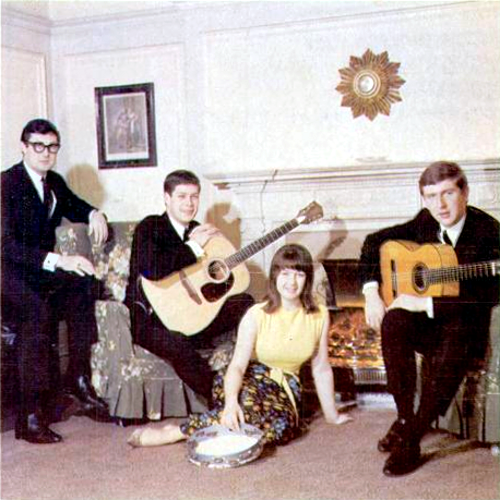
The Seekers were an Australian folk pop and gospel band originally formed in Melbourne in 1962. They were the first Australian pop band to achieve major chart and sales success in the United Kingdom and the United States. They were especially popular during the 1960s, with their best-known configuration of Judith Durham on vocals, piano and tambourine; Athol Guy on double bass and vocals; Keith Potger on twelve-string guitar, banjo and vocals; and Bruce Woodley on guitar, mandolin, banjo and vocals.The group had Top 10 hits in the 1960s with "I'll Never Find Another You", "A World of Our Own", "Morningtown Ride", "Someday, One Day", "Georgy Girl" and "The Carnival Is Over". Australian music historian Ian McFarlane described their style as "concentrated on a bright, uptempo sound, although they were too pop to be considered strictly folk and too folk to be rock". In 1967, they were named as joint "Australians of the Year" – the only group thus honoured. In July 1968, Durham left to pursue a solo career, and the group disbanded. Keith Potger formed a new group in the UK, the New Seekers; they had their first hit single in 1971 with "I'd Like to Teach the World to Sing".In 1995, the Seekers were inducted into the ARIA Hall of Fame. "I'll Never Find Another You" was added to the National Film and Sound Archive of Australia's Sounds of Australia registry in 2011. Woodley's and Dobe Newton's song "I Am Australian", which was recorded by the Seekers as well as Durham with Russell Hitchcock and Mandawuy Yunupingu, has become an unofficial Australian anthem. With "I'll Never Find Another You" and "Georgy Girl", the group also achieved success in the United States, but not nearly at the same level as in the rest of the world. The Seekers have sold over 50 million records worldwide and were individually honoured as Officers of the Order of Australia in the Queen's Birthday Honours of June 2014.The Seekers were formed in 1962 in Melbourne by Athol Guy on double bass, Keith Potger on twelve-string guitar, and Bruce Woodley on guitar. Guy, Potger, and Woodley had all attended Melbourne Boys High School in Victoria. In the late 1950s, Potger led the Trinamics, a rock 'n' roll group, Guy led the Ramblers and, joining with Woodley, they decided to form a doo-wop music group, the Escorts. The Escorts had Ken Ray as the lead singer, and in 1962 they became "The Seekers". Ray left the group to get married. His place was taken by Judith Durham, an established traditional jazz singer who added a distinctive female lead voice. She had earlier recorded an extended play disc on W&G Records with the Melbourne group Frank Traynor's Jazz Preachers.Durham and Guy had met when they both worked in an advertising agency – initially Durham only sang periodically with the Seekers, when not performing at local jazz clubs. She was replaced in Traynor's jazz ensemble by Margret RoadKnight. The Seekers performed folk-influenced pop music and soon gathered a strong following in Melbourne. Durham's connections with W&G Records led to the group's later signing a recording contract with the label. Their debut album, Introducing the Seekers, was released in 1963. Their debut single, released in mid-1963, was the African American spiritual song "Kumbaya". Their second single was the traditional historic Australian bush ballad from 1894, "Waltzing Matilda", which appeared in November and which reached the Melbourne "Top 40" singles chart. and peaked at number 74 on the national chart. When being photographed for the album's cover, Potger was replaced by Ray – his day job with the Australian Broadcasting Commission (ABC) as a radio producer barred him from involvement in a commercial enterprise.
Biography summary from English Wikipedia, photograph via Wikimedia Commons.
1894Their second single was the traditional historic Australian bush ballad from 1894, "Waltzing Matilda", which appeared in November and which reached the Melbourne "Top 40" singles chart.MILESTONE
1962The Seekers were an Australian folk pop and gospel band originally formed in Melbourne in 1962.MILESTONE
1962The Seekers were formed in 1962 in Melbourne by Athol Guy on double bass, Keith Potger on twelve-string guitar, and Bruce Woodley on guitar.MILESTONE
1963Their debut album, Introducing the Seekers, was released in 1963.MILESTONE
1963Their debut single, released in mid-1963, was the African American spiritual song "Kumbaya".MILESTONE
1964Releases Hide & Seekers.CAREER
1965Releases A World of Our Own.CAREER
1966Releases Come the Day.CAREER
1967Releases Seen in Green.CAREER
1971Keith Potger formed a new group in the UK, the New Seekers; they had their first hit single in 1971 with "I'd Like to Teach the World to Sing".MILESTONE
1976Releases Giving and Taking.CAREER
1980Releases A Little Bit of Country.CAREER
1989Releases Live On.CAREER
1995In 1995, the Seekers were inducted into the ARIA Hall of Fame.MILESTONE
1997Releases Future Road.CAREER
2001Releases Morningtown Ride to Christmas.CAREER
2019Releases We Wish You a Merry Christmas.CAREER
—
Athol Guy
CURRENT MEMBER
—
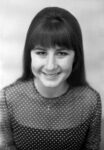
Judith Durham
CURRENT MEMBER
—
Keith Potger
CURRENT MEMBER
—
Bruce Woodley
CURRENT MEMBER
1963
Introducing the Seekers
ALBUM

1964
The Seekers
ALBUM
1964
Hide & Seekers
ALBUM
1965
A World of Our Own
ALBUM
1965
The Seekers Sing Their Big Hits
COMPILATION
1965
The Seekers
ALBUM
1966
Come the Day
ALBUM
1967
The Seekers
ALBUM
1967
Georgy Girl
ALBUM
1967
Seen in Green
ALBUM
1968
The Best of the Seekers
COMPILATION
1968
Live at the Talk of the Town
LIVE
1969
Seekers Golden Collection
COMPILATION
1975
The Seekers
ALBUM
1976
Giving and Taking
ALBUM
1980
A Little Bit of Country
ALBUM
1989
Live On
ALBUM
1989
The Very Best of the Seekers
COMPILATION
1990
The Seekers: Greatest Hits
COMPILATION
1990
Greatest Hits
COMPILATION
1990
Ideal Seekers
COMPILATION
1991
The Best of Today
COMPILATION
1991
The Seekers Again
COMPILATION
1992
Capitol Collectors Series
COMPILATION
1993
The Silver Jubilee Album
COMPILATION
1994
This Is the Seekers
COMPILATION
1994
A Carnival of Hits
COMPILATION
1995
The Seekers: 1963-1964
COMPILATION
1995
The Seekers Complete
COMPILATION
1995
The Seekers: 1966-1967
COMPILATION
1995
The Seekers: 25 Year Reunion Celebration Live in Concert
LIVE
1995
The Seekers: Hits, B-Sides & the 90s
COMPILATION
1995
The Seekers: 1964-1965
COMPILATION
1997
Future Road
ALBUM
1997
Treasure Chest: The Essential Collection
COMPILATION
1998
Collection
COMPILATION
1998
The Seekers Collection
COMPILATION
1999
25 Year Reunion Celebration Live
LIVE
1999
25 Magnificent Memories of the Seekers
COMPILATION
1999
1968 BBC Farewell Spectacular
LIVE
2001
Morningtown Ride to Christmas
ALBUM
2002
Night of Nights... Live!
LIVE
2003
The Ultimate Collection
COMPILATION
2004
Simply the Best
COMPILATION
2004
A's B's & EP's
COMPILATION
2007
The Ultimate Collection
COMPILATION
2008
The Very Best of The Seekers
COMPILATION
2009
All Bound for Morningtown
COMPILATION
2009
Greatest Hits
COMPILATION
2011
6 x 6: The Sixties
COMPILATION
2012
50: The Golden Jubilee Album
COMPILATION
2018
Kumbaya
COMPILATION
2019
We Wish You a Merry Christmas
ALBUM
2019
Farewell - The Golden Jubilee Australian Farewell Tour 2013
LIVE
2020
Hidden Treasures – Volume 1
COMPILATION
2021
The Seekers (Live in the UK)
LIVE
2022
Carry Me - The Seekers 60th Anniversary
COMPILATION
—
Lemon Tree
COMPILATION
—
Music of the World a Turnin’ – Love Is Kind Love Is Wine
COMPILATION
—
The Seekers: Studio & Concert Rarities
COMPILATION
—
This Is
COMPILATION
Discography via MusicBrainz.
Reviews
Average rating0Based on 0 ratings
5 ★0
4 ★0
3 ★0
2 ★0
1 ★0
Log in or sign up to rate and review.
Log In / Sign UpNo reviews yet for this band.