
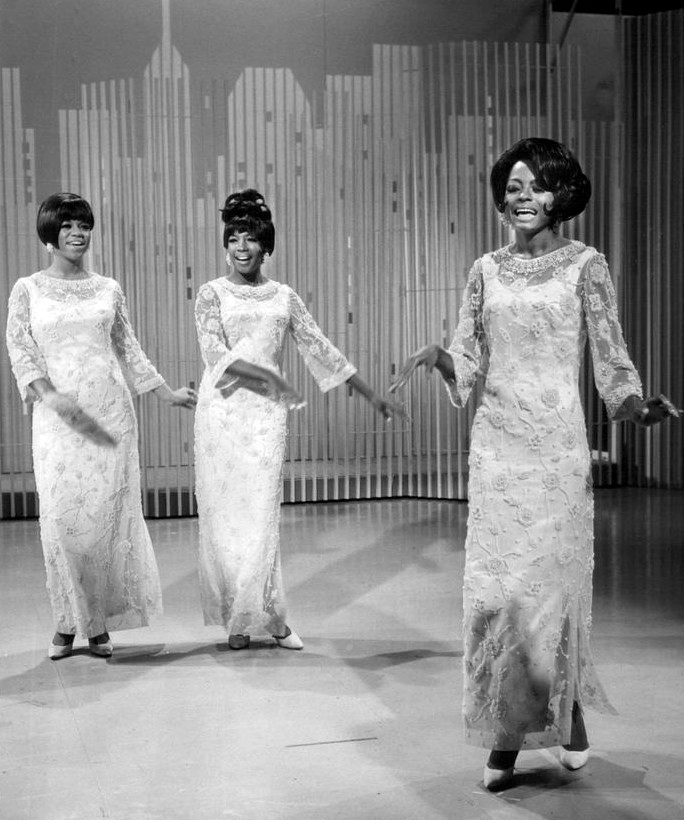
The Supremes were an American girl group formed in Detroit, Michigan, in 1959 as the Primettes. The premier act of Motown Records during the 1960s, the Supremes were the most commercially successful of Motown's acts and the most successful American vocal group, with twelve number 1 singles on the Billboard Hot 100. Most of these hits were written and produced by Motown's main songwriting and production team, Holland–Dozier–Holland. The breakthrough by the Supremes is considered to have made it possible for future African-American R&B and soul musicians to find mainstream success. Billboard ranked the Supremes as the 16th greatest Hot 100 artist of all time.Florence Ballard, Mary Wilson, Diana Ross, and Betty McGlown, the original members, were all from the Brewster-Douglass public housing project in Detroit. Forming as the Primettes, they were the sister act to the Primes (with Paul Williams and Eddie Kendricks, who went on to form the Temptations). Barbara Martin replaced McGlown in 1960, and the group signed with Motown the following year as the Supremes. Martin left the group in early 1962, and Ross, Ballard, and Wilson continued as a trio.During the mid-1960s, the Supremes achieved mainstream success with Ross as lead singer and Holland–Dozier–Holland as its songwriting and production team. In 1967, Motown president Berry Gordy renamed the group Diana Ross & the Supremes, and replaced Ballard with Cindy Birdsong. In 1970, Ross left to pursue a solo career and was replaced by Jean Terrell, and the group's name was reverted to the Supremes. During the mid-1970s, the lineup continued to change with Lynda Laurence, Scherrie Payne and Susaye Greene joining until the group, 18 years after its formation, disbanded in 1977. As of today, Ross is the sole surviving original member, with the deaths of Ballard in 1976, and Wilson in 2021.In Detroit in 1958, Florence Ballard, a junior high school student living in the Brewster-Douglass Housing Projects, met Paul Williams and Eddie Kendricks, who were two members of a Detroit singing group known as the Primes. Ballard sang, as did Paul Williams' girlfriend Betty McGlown, so Milton Jenkins, the Primes's manager, decided to create a sister group to be called the Primettes. Ballard recruited her best friend Mary Wilson, and then Paul Williams recruited Diana Ross. Mentored and funded by Jenkins, the Primettes began by performing hit songs of artists such as Ray Charles and the Drifters at sock hops, social clubs and talent shows around the Detroit area. Receiving additional guidance from group friend and established songwriter Jesse Greer, the quartet quickly earned a local fan following. The group crafted an age-appropriate style that was inspired by the collegiate dress of popular doo-wop group Frankie Lymon & the Teenagers. For the most part, Ballard, Ross and Wilson performed equal leads on songs. Within a few months, guitarist Marvin Tarplin was added to the Primettes' lineup—a move that helped distinguish the group from Detroit's many other aspiring acts by allowing them to sing live instead of lip-synching.After winning the Windsor–Detroit International Freedom Festival on July 4, 1960, the Primettes' sights were set on making a record. In hopes of getting the group signed to the local upstart Motown label, in 1960 Ross asked an old neighbor, Miracles lead singer Smokey Robinson, to help the group land an audition for Motown executive Berry Gordy, who had already proven himself a capable songwriter. Robinson liked "the girls" (as they were then known around Motown) and agreed to help, but he liked their guitarist even more; with the Primettes' permission he hired Tarplin, who became the guitarist for the Miracles. Robinson arranged for the Primettes to audition a cappella for Gordy—but Gordy, feeling they were too young and inexperienced to be recording artists, encouraged them to return when they had graduated from high school. Undaunted, later that year the Primettes recorded a single for Lu Pine Records, a label created just for them, titled "Tears of Sorrow", which was backed with "Pretty Baby". The single failed to find an audience, however. Shortly thereafter, McGlown became engaged and left the group. Barbara Martin was McGlown's prompt replacement.
Biography summary from English Wikipedia, photograph via Wikimedia Commons.
1959The Supremes were an American girl group formed in Detroit, Michigan, in 1959 as the Primettes.MILESTONE
1960Barbara Martin replaced McGlown in 1960, and the group signed with Motown the following year as the Supremes.MILESTONE
1960In hopes of getting the group signed to the local upstart Motown label, in 1960 Ross asked an old neighbor, Miracles lead singer Smokey Robinson, to help the group land an audition for Motown…MILESTONE
1977The band stops recording together.CAREER
—
Mary Wilson
CURRENT MEMBER
—
Diana Ross
CURRENT MEMBER
—
Florence Ballard
CURRENT MEMBER
—
Betty McGlown
CURRENT MEMBER
—
Barbara Martin
CURRENT MEMBER
—
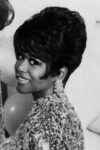
Cindy Birdsong
CURRENT MEMBER
—
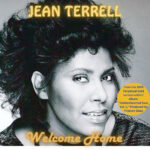
Jean Terrell
CURRENT MEMBER
—
Lynda Laurence
CURRENT MEMBER
—
Scherrie Payne
CURRENT MEMBER
—
Susaye Greene
CURRENT MEMBER
1962
Meet the Supremes
ALBUM

1964
Where Did Our Love Go
ALBUM
1964
A Bit of Liverpool
ALBUM
1965
We Remember Sam Cooke
ALBUM
1965
Merry Christmas
ALBUM
1965
Sing Country Western & Pop
ALBUM
1965
More Hits by the Supremes
ALBUM
1966
The Supremes A’ Go‐Go
ALBUM
1966
I Hear a Symphony
ALBUM
1966
Greatest Hits
COMPILATION
1967
Greatest Hits, Volume I
COMPILATION
1967
Sing Rodgers & Hart
ALBUM
1967
The Supremes Sing Holland-Dozier-Holland
ALBUM
1967
Greatest Hits, Volume II
COMPILATION
1967
Greatest Hits, Volume I & II
COMPILATION
1968
Diana Ross & The Supremes Join The Temptations
ALBUM
1968
Love Child
ALBUM
1968
Reflections
ALBUM
1968
Diana Ross & The Supremes Sing and Perform “Funny Girl”
ALBUM
1969
Together
ALBUM
1969
Greatest Hits, Volume 3
COMPILATION
1969
Let the Sunshine In
ALBUM
1969
Cream of the Crop
ALBUM
1970
The Magnificent 7
ALBUM
1970
Right On
ALBUM
1970
New Ways but Love Stays
ALBUM
1971
Touch
ALBUM
1971
The Return of the Magnificent Seven
ALBUM
1971
Dynamite
ALBUM
1972
Floy Joy
ALBUM
1972
Produced & Arranged by Jimmy Webb
ALBUM
1973
Baby Love
COMPILATION
1974
Anthology
COMPILATION
1975
The Supremes
ALBUM
1975
Greatest Hits
COMPILATION
1976
High Energy
ALBUM
1976
Mary, Scherrie & Susaye
ALBUM
1977
20 Golden Greats
COMPILATION
1978
At Their Best
COMPILATION
1980
Motown Superstar Series, Volume 1
COMPILATION
1982
Motown Legends
COMPILATION
1983
Great Songs and Performances That Inspired the Motown 25th Anniversary Television Special
COMPILATION
1983
The History of Rock, Volume Fourteen
COMPILATION
1984
20 Greatest Hits
COMPILATION
1986
More Hits by The Supremes / The Supremes Sing Holland-Dozier-Holland
COMPILATION
1986
Anthology
COMPILATION
1986
Love Child / The Supremes A’ Go‐Go
COMPILATION
1986
25th Anniversary
COMPILATION
1986
Diana Ross & The Supremes Join The Temptations / Together
COMPILATION
1987
Every Great #1 Hit
COMPILATION
1987
The Rodgers & Hart Collection
COMPILATION
1987
The Never-Before-Released Masters
COMPILATION
1988
The Rock 'n' Roll Era: The Supremes: 1963-1969
COMPILATION
1988
Love Supreme: The Very Best of the Supremes
COMPILATION
1990
Het beste van
COMPILATION
1990
Greatest Hits, Volume 2
COMPILATION
1991
70’s Greatest Hits and Rare Classics
COMPILATION
1991
Best Of
COMPILATION
1991
Star Collection
COMPILATION
1993
Motown Legends: Come See About Me
COMPILATION
1993
The Supremes - Baby Love
COMPILATION
1993
Volume 3: Baby Don't Go
COMPILATION
1993
Stop! In the Name of Love
COMPILATION
1993
I’m Gonna Make You Love Me
COMPILATION
1995
Motown Legends: Stoned Love
COMPILATION
1995
Anthology: The Best of Diana Ross & the Supremes
COMPILATION
1995
Motown Legends: My World Is Empty Without You
COMPILATION
1995
With Love (From Us to You)
COMPILATION
1995
Sounds Like...
COMPILATION
1996
Early Classics: Diana Ross & The Supremes
COMPILATION
1996
Diana Ross & The Supremes
COMPILATION
1997
The Ultimate Collection
COMPILATION
1997
Unchained Melody
COMPILATION
1997
Greatest Hits
COMPILATION
1997
The Ultimate Collection
COMPILATION
1998
Reflections: The Supremes Hitlist
COMPILATION
1999
Classic Diana Ross & The Supremes
COMPILATION
1999
40 Golden Motown Greats
COMPILATION
1999
You Keep Me Hangin’ On
COMPILATION
1999
20th Century Masters: The Millennium Collection: The Best of Diana Ross & The Supremes
COMPILATION
2000
A Bit of Liverpool / T.C.B.
COMPILATION
2000
Let the Sunshine In / Cream of the Crop
COMPILATION
2000
Diana Ross & The Supremes
COMPILATION
2000
Gold
COMPILATION
2000
The Supremes
COMPILATION
2000
20th Century Masters: The Millennium Collection: The Best of Diana Ross & The Supremes, Volume 2
COMPILATION
2000
Where Did Our Love Go / I Hear a Symphony
COMPILATION
2000
The Supremes: Love Songs
COMPILATION
2001
The Supremes
COMPILATION
2001
Anthology
COMPILATION
2002
Songs in the Name of Love
COMPILATION
2002
Black Sound
COMPILATION
2002
The Very Best of Diana Ross and the Supremes
COMPILATION
2002
The Best of the Supremes
COMPILATION
2002
The Hits
COMPILATION
2002
The 70’s Anthology
COMPILATION
2003
20th Century Masters: The Christmas Collection: The Best of The Supremes
COMPILATION
2004
There’s a Place for Us
ALBUM
—
20 Greatest Hits
ALBUM
—
The Supremes
ALBUM
Discography via MusicBrainz.
Reviews
Average rating0Based on 0 ratings
5 ★0
4 ★0
3 ★0
2 ★0
1 ★0
Log in or sign up to rate and review.
Log In / Sign UpNo reviews yet for this band.