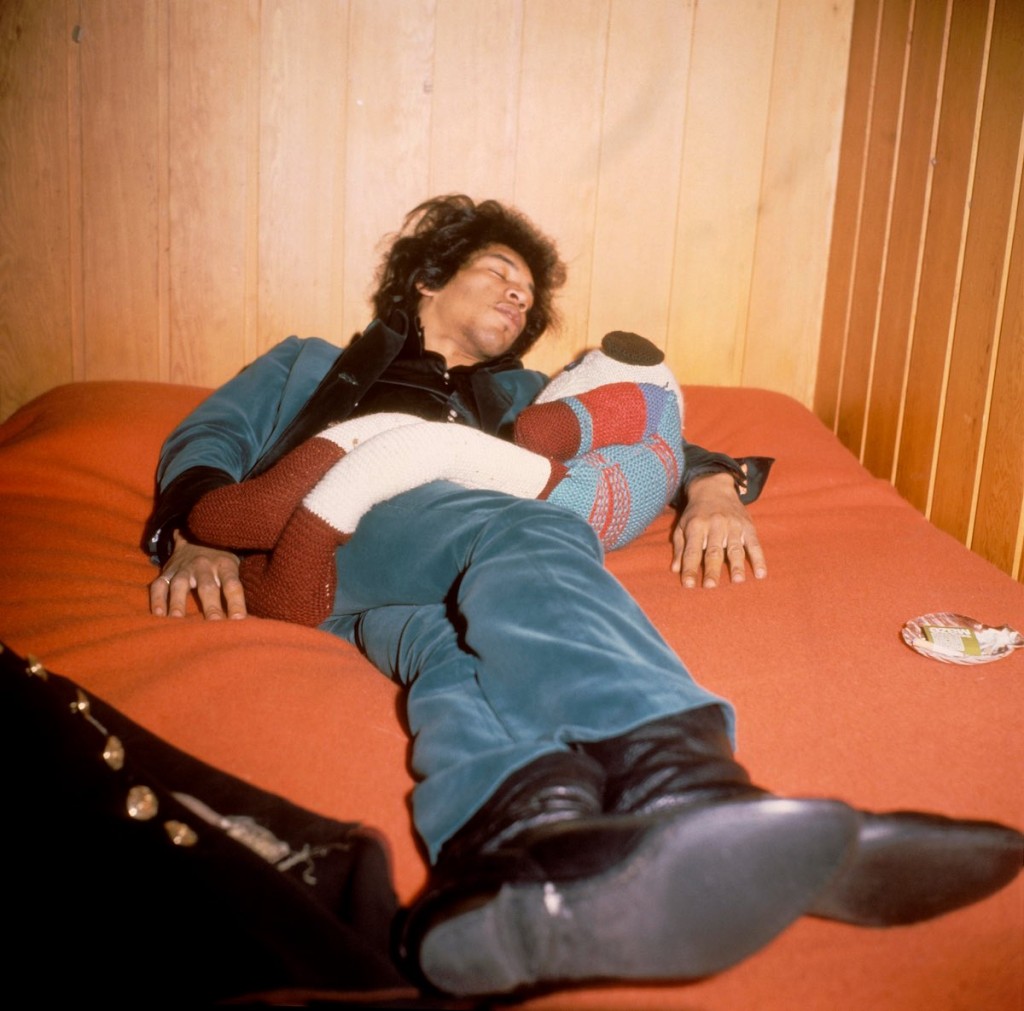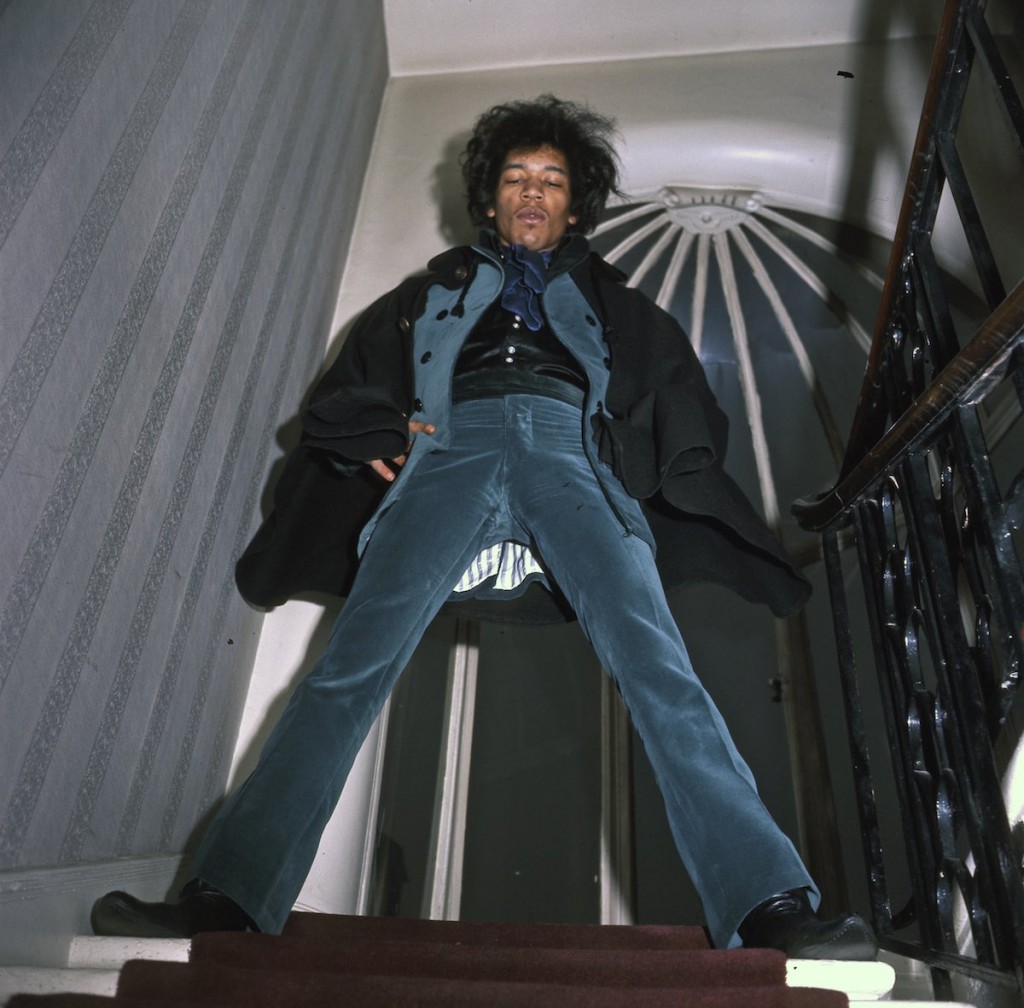
In the swinging ’60s, 34 Montagu Square, Marylebone, London, was more than just a residence — it was a hub of musical history. This unassuming ground-floor and basement apartment, leased by Ringo Starr during his Beatles days, became the backdrop for a fascinating chapter in the lives of two music legends: Jimi Hendrix and The Beatles.
The Apartment That Rocked:
Ringo Starr, known for his drumming prowess in The Beatles, leased this apartment during the mid-1960s. The band often used it as a creative retreat, with Paul McCartney even crafting demos for the “Revolver” album within its walls.
Enter Jimi Hendrix:
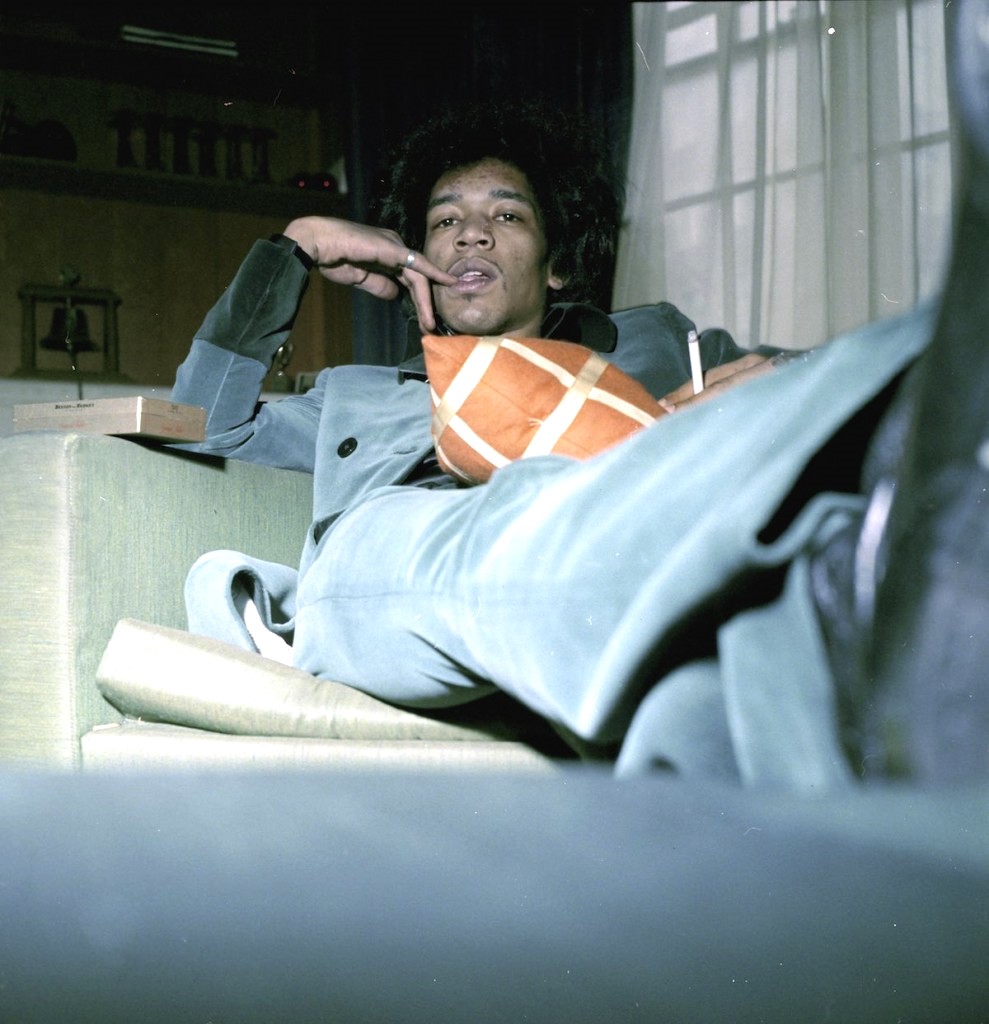
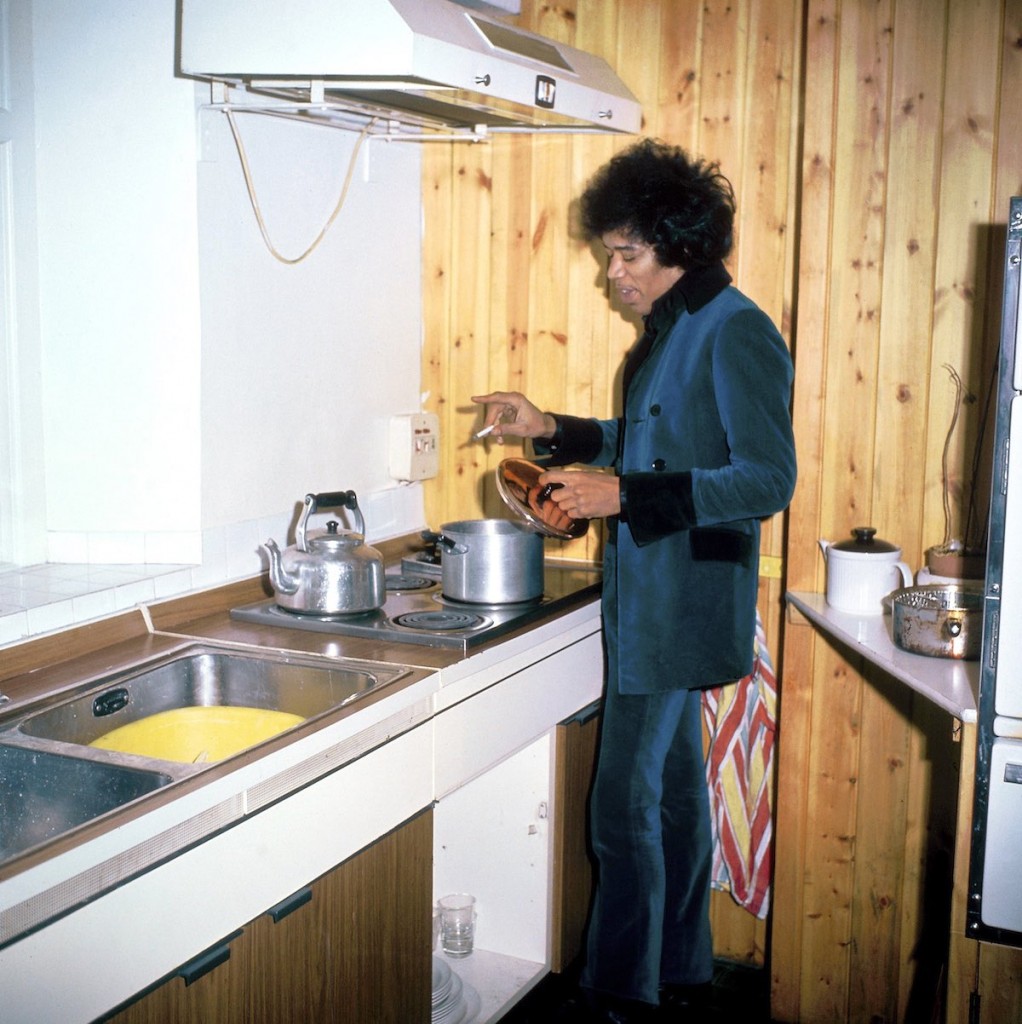
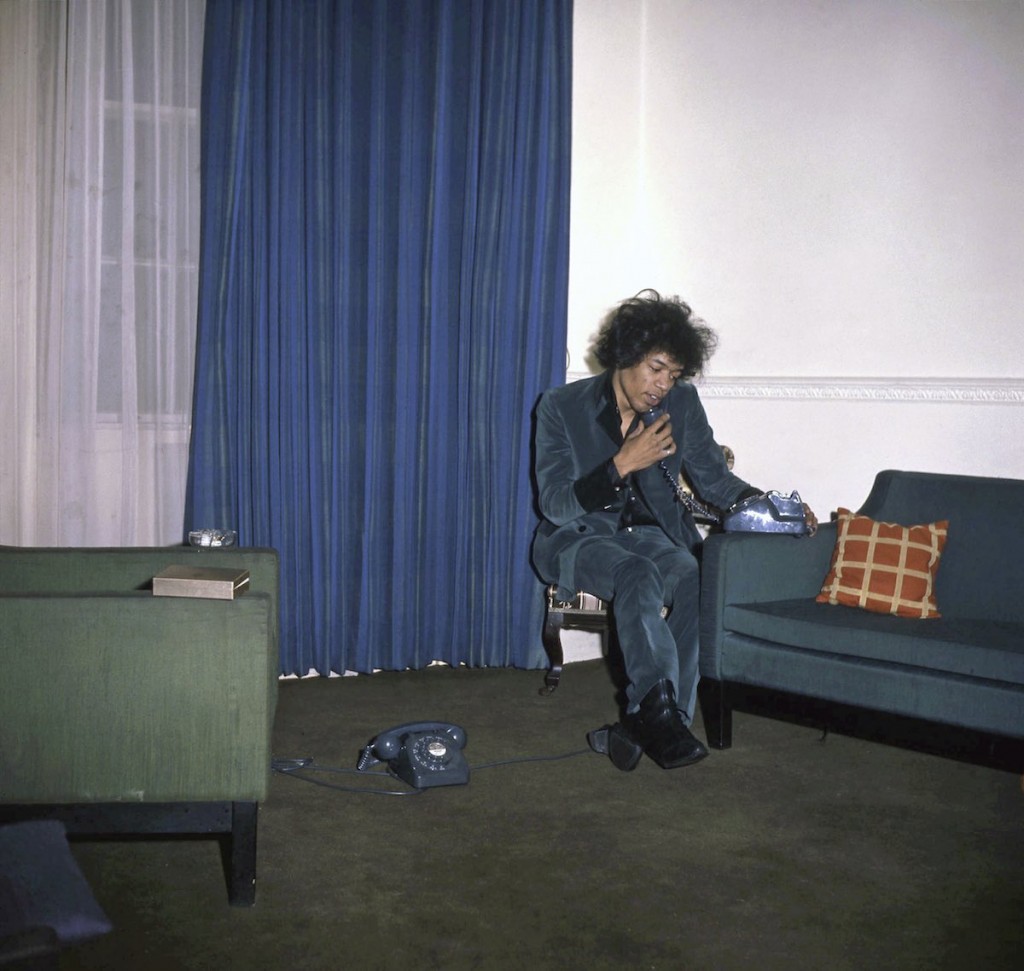
In December 1966, Jimi Hendrix and his girlfriend, Kathy Etchingham, moved into this iconic apartment. The rent was a mere £30 a month, a bargain even by 1960s standards. During his stay, Hendrix composed classics like “Purple Haze” and performed at the historic Monterey Pop Festival, partly due to Paul McCartney’s recommendation.
Why Ringo Starr Evicted Jimi Hendrix
However, Hendrix’s residency wasn’t without its share of turmoil. One infamous night, while under the influence of LSD, he decided to redecorate the apartment by splashing whitewash all over the walls (which Ringo had decorated expensively in advance). This artistic impulse led to his eviction by none other than Ringo Starr himself.
Hendrix’s eviction from the residence may seem somewhat severe, but one might speculate that this wasn’t the first such occurrence. Furthermore, considering that the property didn’t even belong to Ringo, caution was paramount. In fact, Ringo terminated the lease as early as 1969.
The Beatles’ Connection:
Despite the eviction, the bond between The Beatles and Hendrix remained strong. John Lennon and Yoko Ono later stayed at the same apartment for three months in 1968, immortalizing it with the controversial album cover for “Two Virgins.”
Legends Under One Roof:
34 Montagu Square stands as a symbol of the incredible friendships and creative sparks that characterized the music scene of the 1960s. From the melodies of The Beatles to the electric guitar wizardry of Jimi Hendrix, this apartment witnessed the magic of rock ‘n’ roll history.
Nowadays, the building proudly bears a memorial plaque with the inscription: “John Lennon, the celebrated musician and songwriter, 1940-1980, resided here in 1968.”
In 1971, a masterpiece was unleashed upon the world, an album that would shape the course of rock music forever. Led Zeppelin IV, the untitled fourth studio album by the legendary rock band Led Zeppelin, remains a quintessential work of art that continues to captivate generations of music lovers. Join us as we take a journey through this iconic album, exploring its history, the magic behind the music, and its enduring legacy.
Historical Background:
Led Zeppelin’s meteoric rise in the late 1960s had already established them as rock giants, but Led Zeppelin IV would solidify their legendary status. In a time marked by social and cultural upheaval, the band’s innovative and genre-defying sound struck a chord with a generation seeking a new musical identity.
Led Zeppelin IVArtwork:
The album’s enigmatic cover, designed by Aubrey Powell, has become an iconic symbol in its own right. Its symbolism and timeless design continue to be a subject of intrigue and interpretation.
Led Zeppelin IV Track by Track Analysis:
“Black Dog” – A powerful opening track that showcases the band’s instrumental prowess and Robert Plant’s vocal prowess.
“Rock and Roll” – A high-energy anthem that’s been the soundtrack to countless rock ‘n’ roll adventures.
“The Battle of Evermore” – A folk-infused masterpiece featuring the ethereal voice of Sandy Denny.
“Stairway to Heaven” – Perhaps the most iconic rock song ever, shrouded in myth and legend.
“Misty Mountain Hop” – A bluesy, whimsical track that offers a glimpse into the band’s musical diversity.
“Four Sticks” – A rhythmic and powerful track that showcases John Bonham’s drumming.
“Going to California” – A folk-inspired ballad, offering a tranquil moment amidst the rock ‘n’ roll storm.
“When the Levee Breaks” – A bluesy epic featuring a haunting harmonica intro and a thunderous drum sound.
35 Things You Probably Didn’t Know About Led Zeppelin IV:
1. The album is actually untitled. Tired with the criticism the band got over their previous records, guitarist Jimmy Page decided to not title the set and instead use four hand-drawn symbols on the inner sleeve, each representing one of the band members.
2. To identify the album, many people called it Led Zeppelin IV, but it has also been referred to as Four Symbols,The Fourth Album, Untitled,Runes, The Hermit and ZoSo.
3. Along with missing a title, the album cover also does not feature the band’s name. The group chose to do this to have some anonymity and keep from being pigeonholed by the press.
4. In fact, there is no printing anywhere on the front or back covers. There isn’t even a catalog number on the spine of the original LP.
5. At first, Jimmy wanted just one symbol on the album but decided to have each member design their own symbol.
6. Page never explained his Zoso symbol. Some think it is an early representation of Saturn while others think it represents something magical, based on the writings of Aleister Crowley, who Page followed.
7. Bassist John Paul Jones and drummer John Bonham picked their signs from a book called The Book of Signs. Jones’ represents a person who possesses confidence and competence, while Bonham’s represents mother, father and child.
8. Singer Robert Plant designed his symbol based on the supposed Mu civilization, a group of people from a lost continent.
9. There is actually a fifth symbol that guest vocalist Sandy Denny picked. It’s in the credits list on the inner sleeve of the LP. It’s made up of three triangles touching at their points and serves as an asterisk.
10. Plant bought the 19th century oil painting on the front of the album at an antique store. It was put on a partly demolished home for the cover shot, which Plant says represents the change in balance and is a way of saying we should look after the earth.
11. The back cover photograph features Salisbury Tower in Birmingham, England.
12. The inside illustration, called “The Hermit,” is based on the tarot card by the same name.
13. The lyrics for “Stairway to Heaven” on the inside sleeve of the album have a unique typeface. Jimmy saw something like it in a 19th century arts and crafts magazine and had someone do a whole alphabet with it to create the font.
14. The band started to record the album at Basing Street Studios in London. Jethro Tull was recording Aqualung there at the same time.
15. At the suggestion of Fleetwood Mac, the band recorded most of the album at Headley Grange, a remove Victorian estate, where they used the Rolling Stones’ Mobile Studio.
16. Because of the relaxed environment of Headley Grange, the band made many of the album’s songs there on the spot and recorded almost immediately.
17. The album’s release date was delayed because no one was happy with the original mix. Remixing the set pushed back the release by a few months.
18. The title of “Black Dog” refers to an old, black Labrador retriever who walked around the Headley Grange studios as the band recorded. Like the character sung about in the song, even though the dog was up there in age, he still was sexually adventurous.
19. Robert plant recorded the vocals for “Black Dog” in two takes.
20. “Rock and Roll” came from a spontaneous jam session as the guys were trying to complete the song “Four Sticks.”
21. “Rock and Roll” had the working title “It’s Been a Long Time.”
Robert Plant and Jimmy Page of Led Zeppelin onstage in 1975. Photo by David Warner Ellis/Redferns via Getty Images
22. As the band was recording, Jimmy picked up John Paul’s mandolin. Having never played the instrument before, he experimented with it and wound up writing “The Battle of Evermore.”
23. Robert Plant once explained that the lyrics to “Stairway to Heaven” were about a woman who always got what she wanted and never gave back. He was also inspired by what he had been reading – British antiquarian Lewis Spence’s book Magic Arts in Celtic Britain.
24. The title of “Misty Mountain Hop” is likely a reference to the Misty Mountains in The Hobbit.
25. The lyrics of “Misty Mountain Hop” refer to a Legalize Pot Rally in London in 1968 where police arrested people for marijuana possession.
26. “Four Sticks” got its title because Bonham played with four drumsticks on it. He decided to do that after getting frustrated over the song not sounding right with just two sticks. He grabbed another set and hit the drums as hard as he could, recording the perfect take.
27. “Going to California” is rumored to be about singer Joni Mitchell. Plant was said to be infatuated with her and can be heard saying “Joni” in live performances after singing the lines “To find a queen without a king, they say she plays guitar and cries and sings.” Those lyrics might also reference Mitchell’s song “I Had a King.”
28. Plant once said that the lyrics for the song can be a little embarrassing but accurately depict his life in his early 20s, when he was struggling to find himself in the craziness of California.
29. “Going to California” actually started out to be about the state’s earthquakes. Jimmy experienced a minor one when he went to mix the album in LA. At the time, the song was called “Going to California.”
30. “When the Levee Breaks” is a cover of a blues song first recorded by Kansas Joe McCoy and Memphis Minnie in 1929.
31. Plant played harmonica on “When the Levee Breaks” but it was recorded with a backward echo effect that puts an echo ahead of the instrument, creating a unique sound.
32. During the sessions for Led Zeppelin IV, the band recorded three songs that didn’t make the album: “Down by the Seaside,” “Night Flight” and “Boogie with Stu,” which featured Stones pianist Ian Stewart. They eventually came out on Physical Graffiti.
33. Some of the instruments John Paul Jones plays on the album are bass, electric piano, mellotron, mandolin, recorders and acoustic guitar.
34. Led Zeppelin IV has been certified platinum in America 23 times for sales over 23 million units. It’s the third-highest certified album ever.
35. Led Zeppelin IV is one of the best-selling albums of all time. It’s sold 37 million copies worldwide.
Impact and Legacy:
Led Zeppelin IV’s influence is immeasurable. It redefined rock music and set the bar for countless bands that followed. Its impact on the music industry and the continued devotion of fans worldwide are a testament to its enduring legacy.
As we celebrate the 52nd anniversary of Led Zeppelin IV, we’re reminded that some albums don’t just transcend time; they redefine it. The timeless appeal of this work of art is a testament to the genius of Led Zeppelin. So, whether you’re a long-time fan or just discovering the magic, let the music carry you away on this unforgettable journey.