
Why Rush’s Moving Pictures Remains a Masterpiece
Released in February 1981, Rush’s Moving Pictures stands as a monumental benchmark in the band’s catalog. Recorded after five months of often fraught work at Quebec’s Le Studios, the album captured the trio—bassist and vocalist Geddy Lee, guitarist Alex Lifeson, and drummer Neil Peart, all aged 27 or 28 at the time—at a creative peak.
The Making of a Prog Rock Landmark
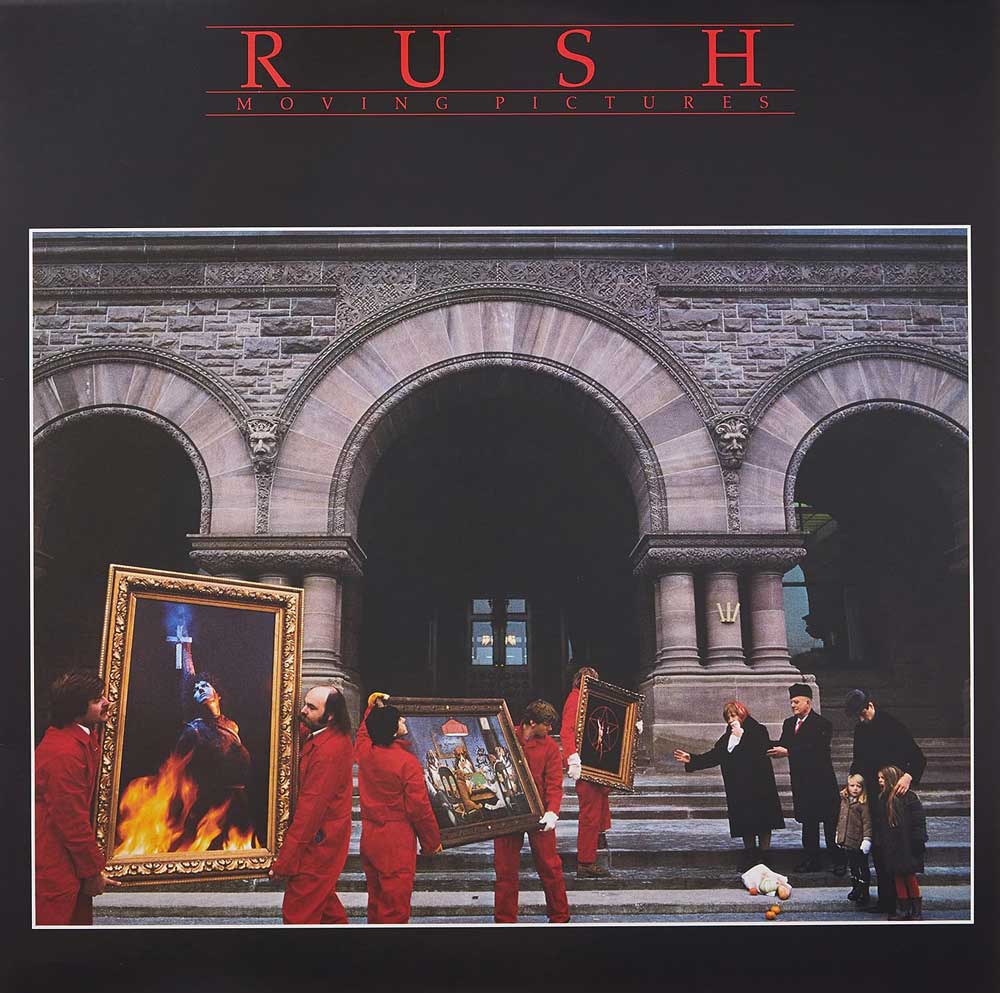
Side one of the original vinyl delivered a flawless run consisting of “Tom Sawyer”, “Red Barchetta”, the instrumental “YYZ”, and “Limelight”. Flipping to side two showcased a newly matured band. They reined in the epic scope of “The Camera Eye”—inspired by John Dos Passos—to 11 exhilarating minutes, delivered the dark crunch of “Witch Hunt”, and closed with the synth-heavy groove of “Vital Signs”.
Reflecting on the sessions, Geddy Lee told Prog that the record brought a level of success unlike anything they had experienced before, though it was far from easy to finish. While tracks like “Limelight” and “Red Barchetta” came together smoothly, “Tom Sawyer” proved to be a stubborn late bloomer. The band struggled heavily with getting the guitar solos down and balancing the low end before finally nailing the powerful final take.
Critical Reception and Legacy
Critics and fans alike have long praised the album’s balance of complex musicianship and radio-ready accessibility. Publications such as Rolling Stone noted that Moving Pictures proved the band could convey as much in four minutes as they previously had in 20. Meanwhile, tracks like “Witch Hunt” and “Vital Signs” continue to be celebrated as some of the trio’s more underrated rock compositions, blending synths, new wave influences, and progressive rock structures.
Related reading: Dhani Harrison and Nigel Godrich Form Dragonflies, Announce Debut Album, Paul McCartney Surprises Liverpool’s Magical Mystery Tour with Ringo Starr FaceTime, Reflecting on One Year Without Ozzy Osbourne: Tributes, Triumphs, and Controversies
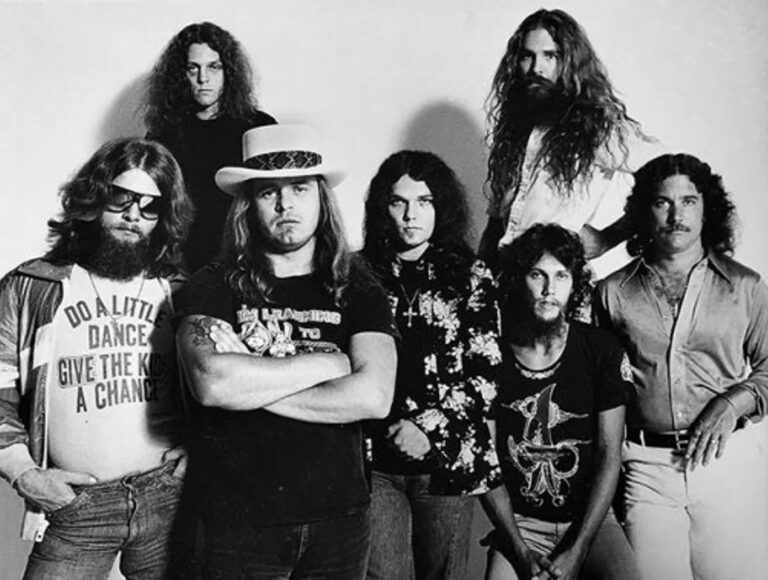
Blaze Bayley Opens Up on Sobriety, Iron Maiden, and the Story Behind Lynyrd Skynyrd’s Street Survivors
Continue reading →Latest Posts
 Vanilla Fudge’s Carmine Appice Names the Forgotten Drummer Who ‘Started Everything’
 How Bruce Dickinson’s Cancer Battle Advice Gave Dave Hope
 Former AC/DC Drummer Chris Slade Retires at 79
 How Leftover Vault Recordings Became the Rolling Stones’ ‘Tattoo You’
 Liam Gallagher Rules Oasis Out of Glastonbury 2027 Headlining Slot
 How Bob Dylan’s Influence Shaped The Beatles’ ‘Norwegian Wood’