
Revisiting Pete Townshend’s 1980 Solo Breakthrough, Empty Glass
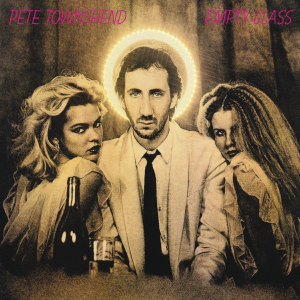
By 1980, the landscape of rock music had shifted significantly under the influence of punk and new wave. For Pete Townshend, this period was marked by uncertainty following the death of Keith Moon and the subsequent hiatus of The Who. Amidst this backdrop, Townshend released Empty Glass, an album widely considered his first true solo debut, separate from his previous work such as 1972’s Who Came First.
The album provided Townshend with his most significant solo success outside of his band, reaching No. 11 on the charts. It was characterized by a modern sound, utilizing synthesizers and a sharp, punchy aesthetic that stood in contrast to the stadium-filling anthems of The Who. Lyrically and tonally, the record spanned from the aggression of the opener “Rough Boys”—a track Roger Daltrey had reportedly wanted for The Who—to the introspective and pop-oriented “Let My Love Open The Door.”
Musical Themes and Reception
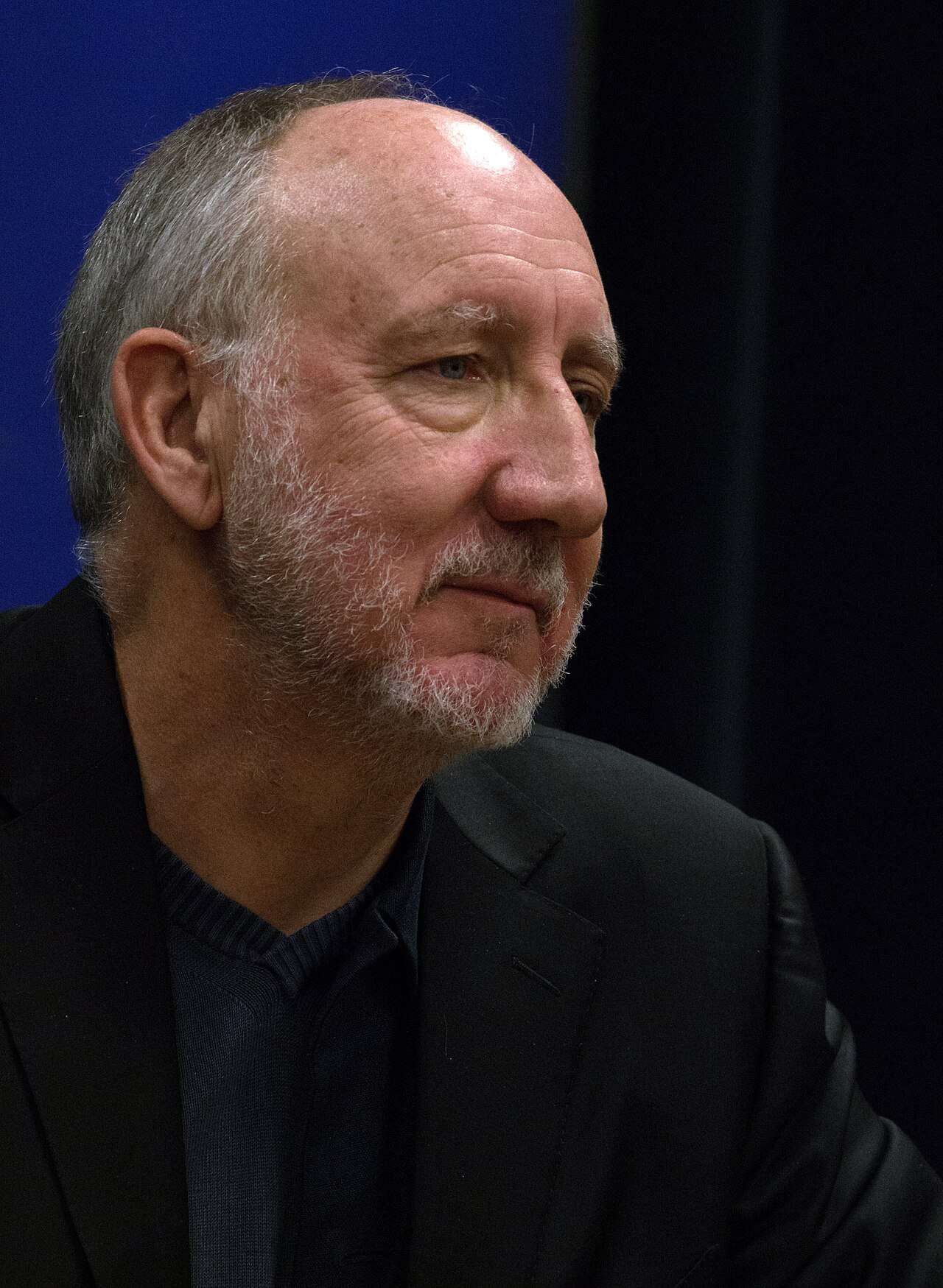
Empty Glass captured a period of personal and creative transition for Townshend. Tracks like “Jools and Jim” addressed the music press, while “Keep on Working” explored themes of resilience. The album’s production reflected the trends of the era, incorporating keyboard-forward arrangements that would also influence The Who’s 1981 release, Face Dances. Contemporary critical reception was varied, ranging from praise for Townshend’s wit and pop sensibilities to critiques of the album’s artier impulses and vocal delivery.
A Snapshot of 1980
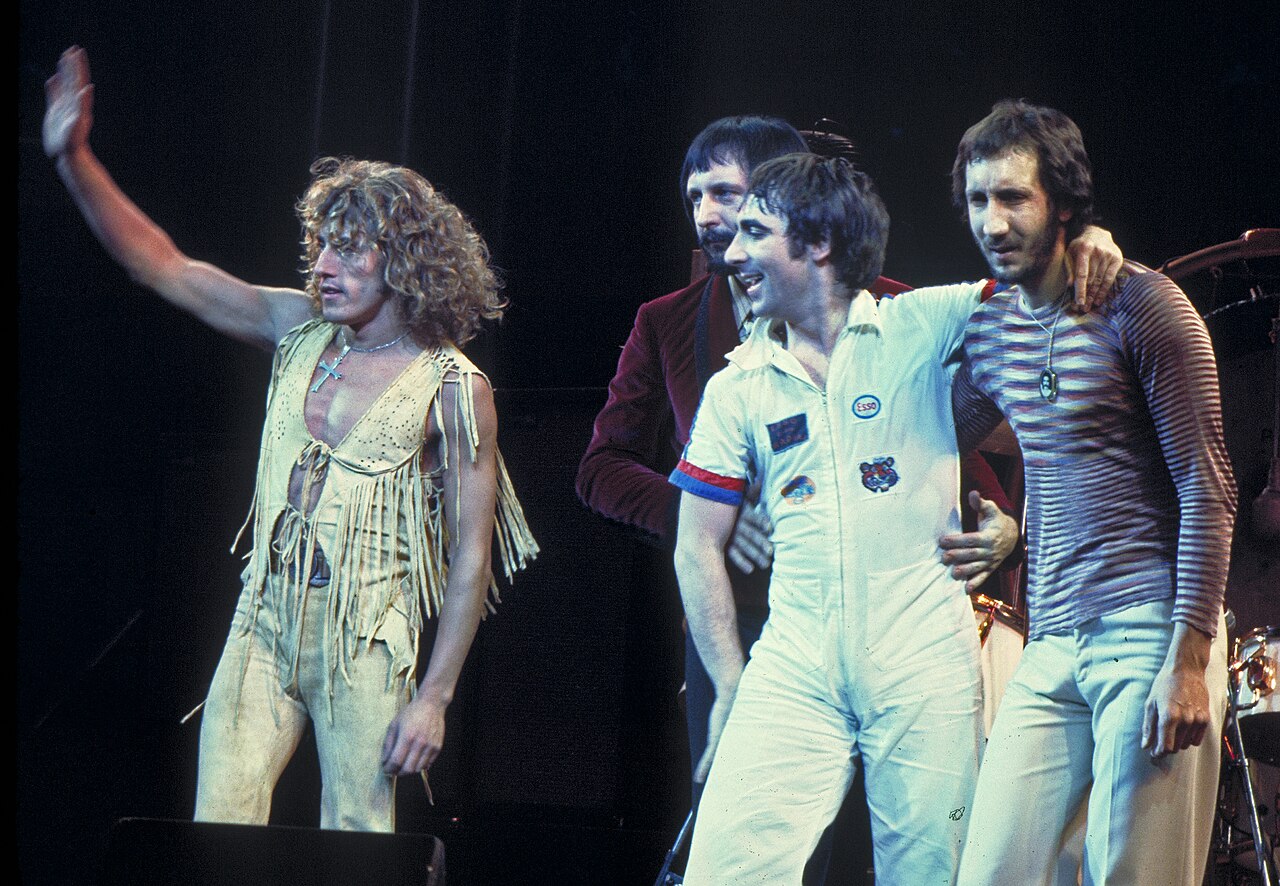
The release of Empty Glass occurred during a notably busy month in music history. April 1980 saw a diverse array of seminal albums hitting the market, including Iron Maiden’s self-titled debut, Judas Priest’s British Steel, The Cure’s Seventeen Seconds, and Black Sabbath’s Heaven and Hell. Despite the intense competition, Empty Glass managed to carve out a distinct space, offering listeners a raw, sometimes furious look at Townshend’s perspective during one of the most volatile eras of his career.

Paul McCartney Surprises Liverpool’s Magical Mystery Tour with Ringo Starr FaceTime
Continue reading →Latest Posts
 The Raconteurs Reunite for First Time in Seven Years at Jack White’s Nashville Concert
 Mike Love Returns to the Stage With the Beach Boys Amid Health Concerns
 The Rolling Stones Are Back in the Studio, According to Courtney Pine
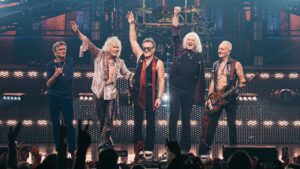 Def Leppard Announce 2027 North American Tour and David Bowie Cover
 Elton John Announces 50th Anniversary Edition of Rock of the Westies
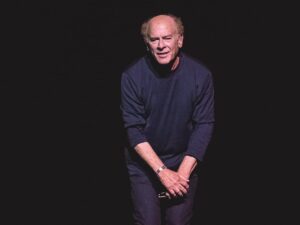 Art Garfunkel Postpones UK Tour Just Days Before Opening Night