
Inside The Making Of The Beatles’ Revolver And ‘Tomorrow Never Knows’
When The Beatles returned to Abbey Road studios in April 1966 to begin recording material for their next new album, they were riding high. Their previous LP, Rubber Soul, had spent eight weeks at No. 1 in the UK and six weeks at No. 1 in the US, and was still in the US Top 20 when they returned.
By 1966, the internal dynamic of the band was shifting. Apple Records director Tony Bramwell, a close associate who had been a roadie for the group in Liverpool, noted that the members were no longer just the collective mop-tops of their early days. John Lennon and George Harrison were leading suburban existences—with Harrison diving deep into Indian music—while Paul McCartney embraced metropolitan life, visiting art galleries, exhibitions, and clubs.
The Drive To Innovate And Free Studio Conditions
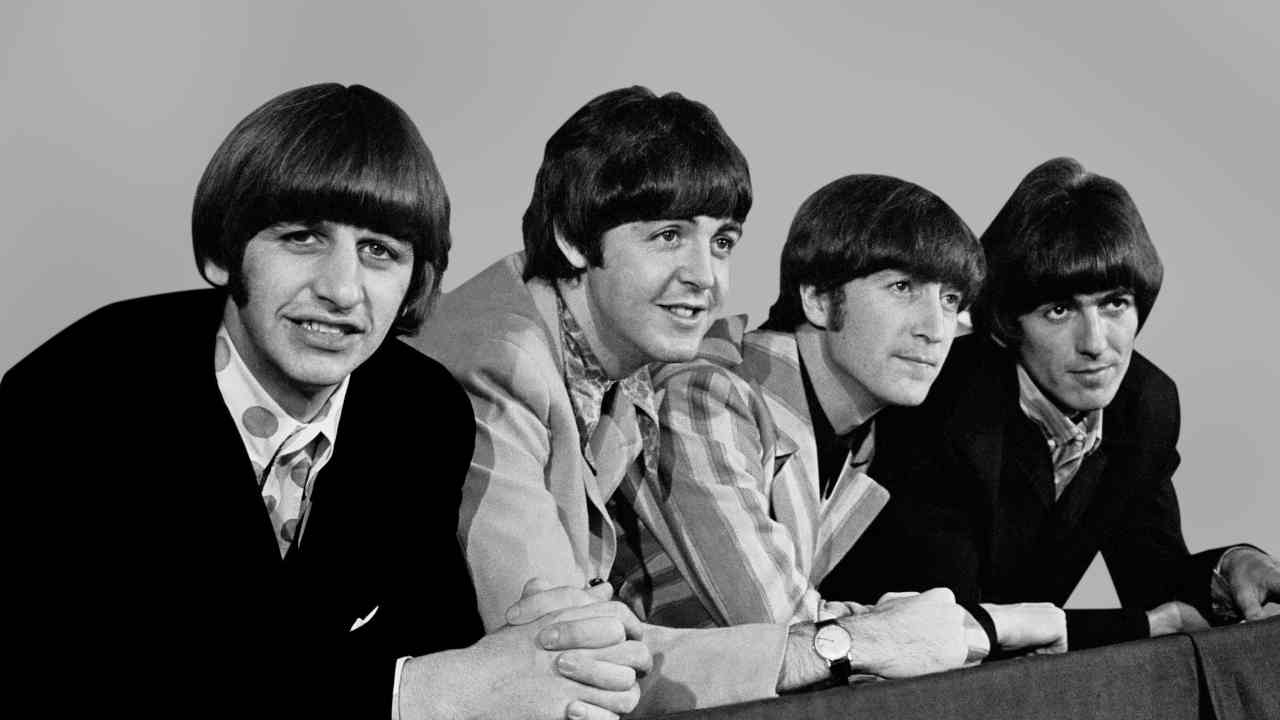
According to Bramwell, there was very little external pressure on the band at this stage in their career. EMI had largely stopped trying to dictate their moves, and manager Brian Epstein never interfered in that way. McCartney proved to be the one who took the initiative to get them back into the studio, bringing an abundance of new songwriting material with him.
The very first track the group tackled was John Lennon’s visionary piece, “Tomorrow Never Knows.” Lennon had dreamed up the psychedelic, pseudo-Indian soundscape four months earlier, inspired by lines he read in Walter Kaufmann’s translation of Friedrich Nietzsche, The Portable Nietzsche: “Whenever in doubt, turn off your mind, relax, float downstream.”
Engineering Magic And Tape Loops On Tomorrow Never Knows
The sessions also marked a baptism by fire for 19-year-old Abbey Road engineer Geoff Emerick, who had been promoted from recording assistant that very morning. Tasked with making Lennon’s vocal sound like the Dalai Lama singing on a mountain top 25 miles away with only two tape machines, a recording console, and an echo chamber, Emerick looked through the control room window at a revolving Leslie speaker from the Hammond organ.
By routing Lennon’s vocals through the revolving speaker on the last verse, Emerick secured a new sonic texture that won Lennon over. Meanwhile, McCartney brought in avant-garde tape experiments inspired by composer Karlheinz Stockhausen. McCartney had been experimenting at home on his tape player, where he would put a piece of tape over the record head and saturate the tape with all kinds of sounds.
Producer George Martin recalled that the band would bring them tapes of all the loops, and they would play them just for a giggle, like crossword puzzles. For “Tomorrow Never Knows,” they had about twenty-odd loops or more, at varying speeds. Because state-of-the-art Abbey Road equipment still required manual operation, people—including workers from the maintenance department—had to hold the tapes out with pencils because there weren’t enough people in the control room to handle holding them.
Rethinking Ringo Starr’s Drum Sound
To top off the track’s revolutionary audio landscape, Emerick updated Ringo Starr’s drum sound to match the hard, solid drums on American records that were not being matched in England. Defying strict Abbey Road rules, Emerick took the front skin off the bass drum, stuffed a sweater inside, put the skin back on, and moved the microphone about four inches away to capture a hard sort of up-front thud.
Related reading: Why Ringo Starr Evicted Jimi Hendrix from His Apartment

Latest Posts
 Brian May Clarifies Queen Retirement Comments: “I Could Never Say Never”
 Pearl Jam Update: Jeff Ament Shares News On Writing New Material
 Nita Strauss Rejoins Alice Cooper for Las Vegas NFL Halftime Show
 Rod Stewart Adds New Dates to 2027 Farewell Tour Due to High Demand
 Queen Budapest: Final Filmed Concert Heads to IMAX and Physical Release
 Ex-Foreigner Singer Kelly Hansen Joins the Dead Daisies for 2027 Tour